
Direct Answer
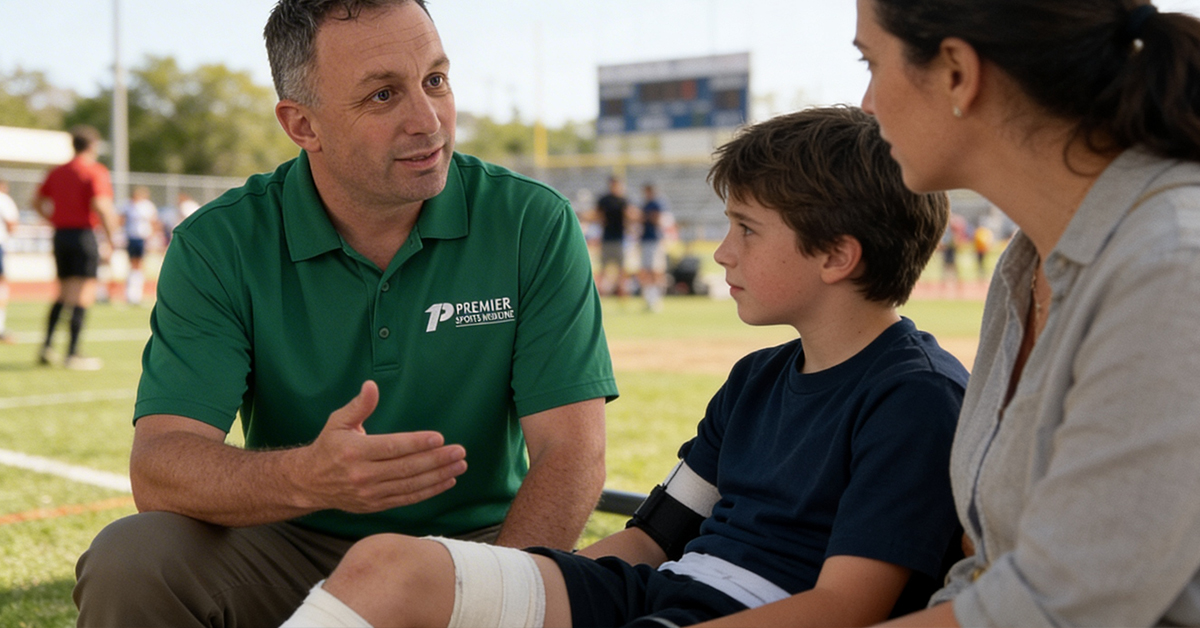
After a youth injury, Athletic Trainers communicate with parents and/or legal guardians by providing timely, clear, and factual information about what occurred, what care was provided, and what next steps are recommended. Their goal is to keep everyone informed, reduce confusion, and support safe decision-making for the athlete’s care.
Immediate Communication After an Injury
When a youth athlete is injured, Athletic Trainers prioritize contacting a parent or legal guardian as soon as possible. Athletic Trainers describe what happened, what symptoms were observed, and what care was provided on site so noone is relying on secondhand information.
Athletic Trainers communicate in plain language. They explain injuries based on what they observed and evaluated, without speculation or unnecessary medical jargon.This helps parents or legal guardians understand the situation accurately and reduces misinterpretation that can occur when information is passed through coaches, teammates, or other adults.
Guidance on Next Steps and Follow-Up Care
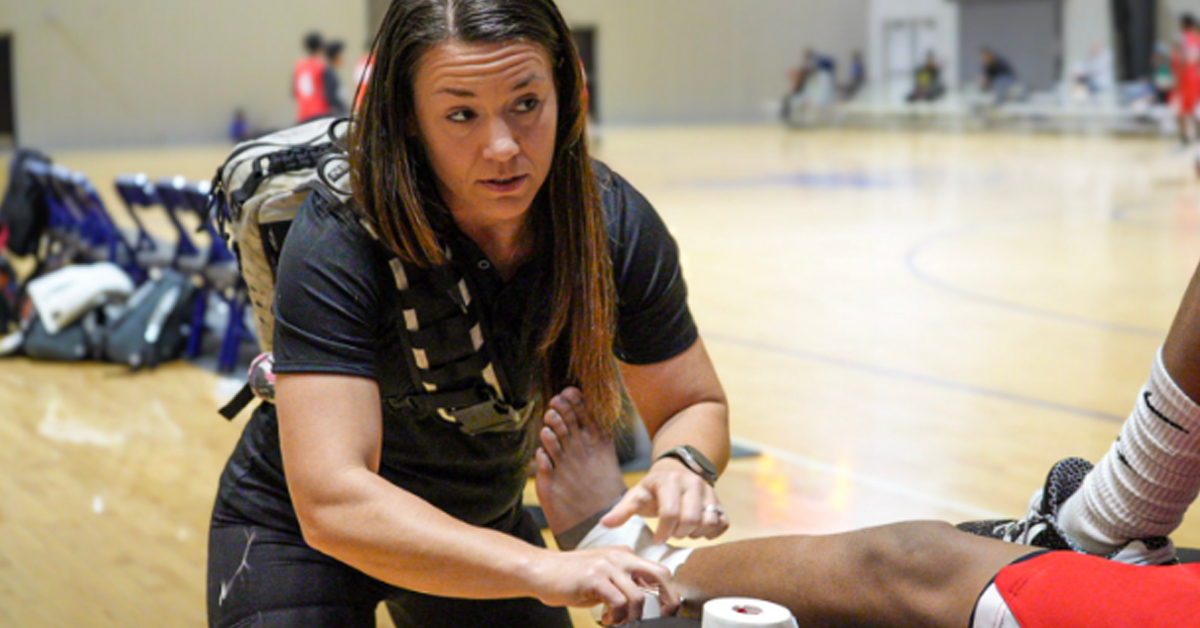
If further care is needed, Athletic Trainers outline recommended next steps. This may include monitoring symptoms, resting from activity, or seeking additional evaluation from urgent care or a physician. Athletic Trainers help parents and legal guardians understand what signs or symptoms would warrant additional medical attention after the event.
In many cases, communication does not end when the event concludes. Athletic Trainers may follow up to check on the athlete’s condition and confirm that care instructions were understood. This follow-up helps ensure continuity of care and reinforces safe recovery expectations.
Communicating When Parents or Legal Guardians Are Not On Site
Parents or legal guardians aren’t always able to travel with their athletes, especially for travel competitions. When an injury occurs, the Athletic Trainer may make a call to the parent or legal guardian to discuss what happened, what the evaluation showed, and what care is being provided. For injuries that require urgent care or further evaluation, Athletic Trainers frequently make follow-up calls to check on how the athlete is doing and whether additional support or referrals are needed. If ongoing treatment is necessary, Athletic Trainers may provide recommendations for local surgeons or specialists in the family’s area. This ensures parents stay in the loop throughout the entire process, even when they’re far from where the injury happened.
Why Parent Communication Is Critical in Youth Sports
Parents and legal guardians rely on accurate information to make decisions about their child’s health. Clear communication helps prevent premature return to activity, missed follow-up care, or misunderstandings about injury severity. Athletic Trainers serve as a reliable medical point of contact during and after youth injuries.
FAQs
When do Athletic Trainers contact parents or legal guardians after a youth injury?
Athletic Trainers contact parents or legal guardians as soon as possible after the injury, especially if medical care, monitoring, or follow-up is needed.
What information do parents or legal guardians typically receive?
They are informed about how the injury occurred, symptoms observed, care provided on site, and recommended next steps.
Do Athletic Trainers follow up after the event?
Yes. Athletic Trainers often follow up to check on the athlete’s condition and ensure care instructions were understood.
What if a parent or legal guardian is not present at the event?
Athletic Trainers use emergency contact information to communicate directly with the appropriate guardian when parents are not on site.
Can Athletic Trainers answer medical questions from parents?
Athletic Trainers explain their observations, care provided, and recommended next steps to help parents or guardians make informed decisions.
Next Step
Youth event organizers should establish clear communication protocols and ensure accurate parent contact information is available so athletic trainers can communicate effectively when injuries occur.