
Direct Answer
Not having an Athletic Trainer at an event increases medical risk, delays emergency response, and exposes organizers to greater liability. When injuries or serious medical incidents occur without qualified medical oversight, organizers may face lawsuits, legal scrutiny, and responsibility for failing to provide appropriate on-site care. Athletic Trainers provide immediate evaluation and treatment capabilities that can prevent minor situations from becoming major emergencies. Their presence demonstrates a commitment to participant safety and due diligence in event planning.
Delayed Emergency Response
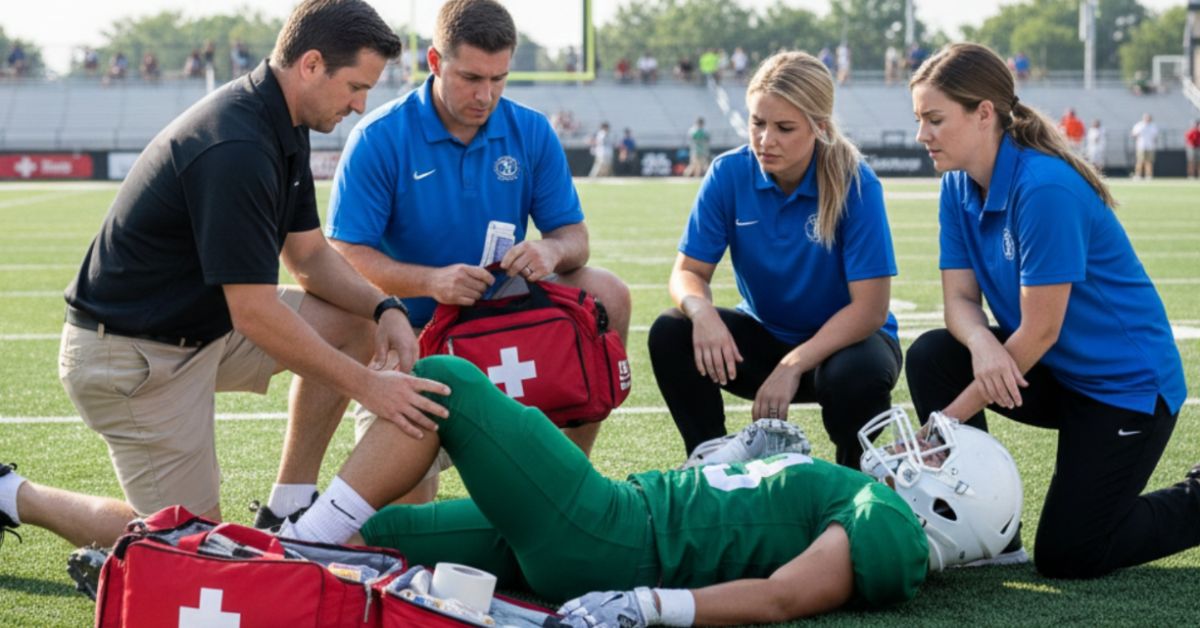
Athletic Trainers are trained first responders who can initiate care immediately and coordinate transfer to higher levels of medical support. When emergencies occur, they assess the situation, provide critical interventions like CPR or cardiac care, and ensure proper communication with incoming EMS teams. Without an Athletic Trainer, response is often delayed while waiting for EMS to arrive, and crucial information about the incident may not be properly documented or communicated. Delayed care can worsen outcomes and becomes a critical issue when events are reviewed after an incident. In emergency situations involving cardiac arrest, heat stroke, or cervical spine injuries, every second counts, and the presence of an Athletic Trainer can mean the difference between safe outcome and serious medical outcome.

Lack of Medical Decision-Making Authority
Event staff, volunteers, and coaches are not trained to make medical decisions and often lack the expertise to properly evaluate injuries or medical emergencies. Without an Athletic Trainer, decisions are often reactive, inconsistent, or based on incomplete information rather than clinical assessment. Having an Athletic Trainer on-site establishes clear authority for medical decisions and removes the burden from those not qualified to make them.
Athletic Trainers often help establish and execute Emergency Action Plans. Without one present, there may be no clear leader during an emergency.
Liability Exposure and Lawsuit Risk
When an organization has the option to hire an Athletic Trainer and chooses not to, liability risk increases. If a serious injury occurs, questions arise about preparedness, response time, and decision-making. Lawsuits often focus on whether reasonable safety measures were in place. The absence of a qualified medical professional can become a central issue in legal claims.
Events Beyond Sports Still Carry Risk
Medical emergencies are not limited to sporting events, they can occur anywhere people gather for organized activities. Large gatherings, youth events, camps, clinics, concerts, and physically demanding activities all carry risks that organizers must consider when planning. Athletic Trainers are trained in emergency cardiac care and can respond to medical situations affecting any age group, from young children to older adults. Heat illness, cardiac events, falls, sudden injuries, and allergic reactions can occur in any organized event setting, making on-site medical oversight critical regardless of the event type. Even events not traditionally considered high-risk can benefit from having a qualified medical professional present, as emergencies are by nature unpredictable.
FAQs
Can not having an Athletic Trainer increase liability?
Yes. If an injury occurs and proper medical coverage was not provided, organizations may face increased liability and legal scrutiny for failing to plan appropriately.
Are organizers responsible if someone is injured at an event?
Responsibility depends on circumstances, but lack of medical preparedness is often examined when injuries or emergencies result in serious outcomes.
Does hiring an Athletic Trainer reduce lawsuit risk?
Hiring an Athletic Trainer demonstrates proactive safety planning, improves response quality, and can reduce exposure related to delayed or improper care.
Are Athletic Trainers only necessary for sports?
No. Any organized event with physical activity, large crowds, or youth participants benefits from Athletic Trainer coverage.
Who manages medical decisions if no Athletic Trainer is present?
Medical decisions often fall to untrained staff or volunteers, which increases risk, confusion, and potential liability. Without a qualified medical professional, medical information could be shared improperly and violate HIPAA compliance.
Next Step
Event organizers should evaluate participant risk, activity level, crowd size, and legal exposure early in the planning process to determine whether Athletic Trainer coverage is appropriate for their event.