

Direct Answer
An Athletic Trainer should be hired when an event includes significant physical activity, high injury risk, or large participation numbers. While commonly associated with sports, Athletic Trainers are also hired for large scale events such as concerts, festivals, large venues, industrial worksites, and other environments where injury risk and emergency response planning are critical. Athletic Trainers are trained to prevent, evaluate, and respond to injuries immediately, making early coverage planning an essential part of event preparation.
Why Athletic Trainers Matter at Organized Events
Athletic Trainers are healthcare professionals focused on injury prevention, emergency response, and on-site evaluation. Their role goes beyond first aid. They assess injuries in real time, manage return-to-play decisions, and respond to emergencies such as cardiac events.
Events and Activities That Should Include an Athletic Trainer
Common settings include:
-
-
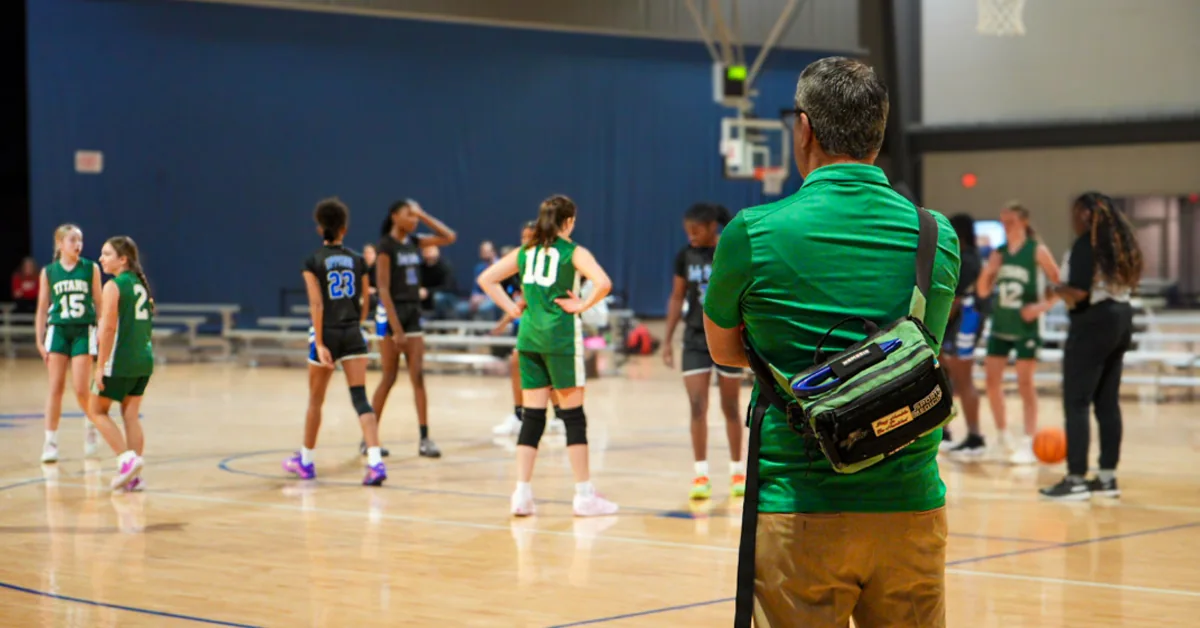
- Team practices and training sessions
- Youth, high school, and adult tournaments
- Multi-field sports complexes
- Endurance events
- Large organized gatherings
- Industrial settings
-
Planning Athletic Trainer Coverage Early
Athletic Trainers should be included in the early stages of event planning. Waiting until the final days before an event significantly reduces availability, especially during peak sports seasons or weekends.
When Athletic Trainers are involved early, they can:
-
-
- Help establish Emergency Action Plans
- Identify local hospitals and EMS contacts
- Plan aid station placement and coverage ratio
- Determine how many Athletic Trainers are needed
- Determine whether additional coordination with EMS is required
-
Matching Coverage to Event Size and Layout
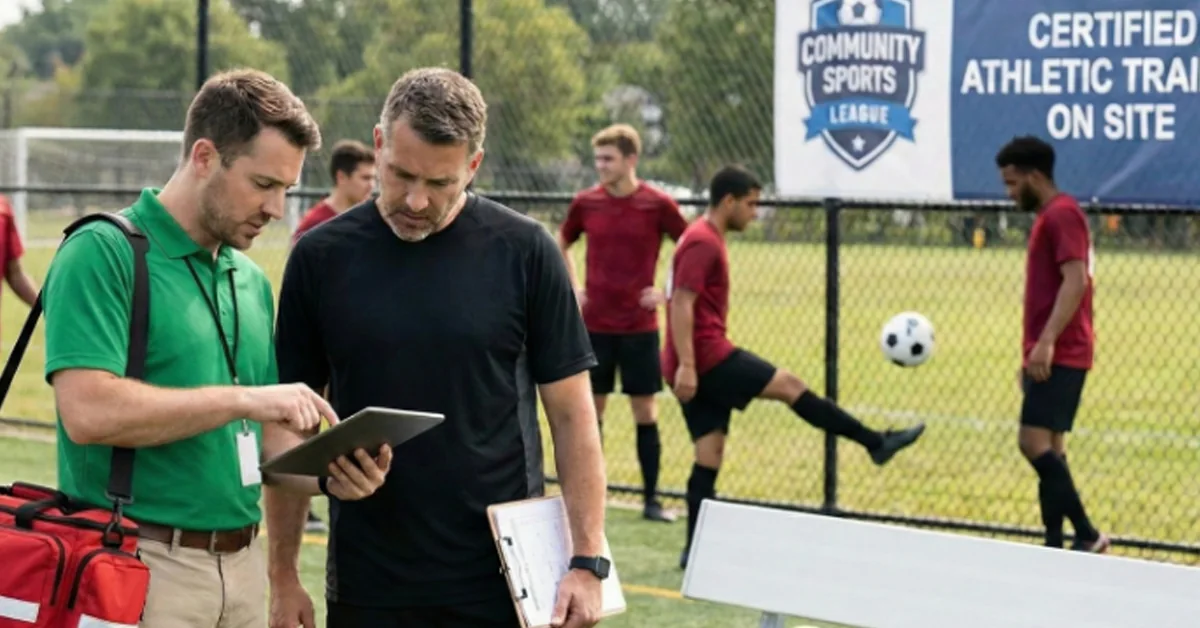
Coverage needs depend on event complexity. For larger athletic tournaments, assigning one Athletic Trainer per field allows for timely response and appropriate oversight of participating athletes. Depending on field layout, one Athletic Trainer may cover multiple fields when all areas are fully visible and centrally located.
For concerts or large venues, Athletic Trainers are typically positioned at clearly marked medical or aid stations near primary access points.
Practice Coverage vs. Game-Only Coverage
It’s common to only have Athletic Trainers at games, but that approach leaves gaps in care. Athletes spend more time practicing than competing, which is why many injuries happen during practice. From a safety standpoint, having coverage at practices can be even more impactful than games alone.
FAQs
When is an Athletic Trainer legally required at a sporting event?
Legal requirements vary by state and organization. Some leagues, school systems and state associations mandate Athletic Trainers at all events, while others do not. Event organizers should review state practice acts, league mandates and governing body rules.
Should practices have Athletic Trainers or only games?
Practices should have Athletic Trainers whenever possible. Athletes spend more time practicing than competing, which increases injury risk during practices.
Are Athletic Trainers only for competitive sports?
No. Athletic Trainers can provide medical coverage at any organized physical activity, including camps, clinics, and large events with physically active participants.
How far in advance should you book an Athletic Trainer?
As soon as the event is confirmed. Requests made within 72 hours of an event carry a high risk of limited or unavailable coverage as well as limit the ability for risk-mitigation and compliance preparation.
Can first aid staff replace an Athletic Trainer?
First aid staff can handle minor issues, but they are not trained in injury evaluation, return-to-play decisions, or ongoing orthopedic care like Athletic Trainers are.
Next Step
If you are planning an event, practice schedule, or tournament, the next step is to assess athlete volume, activity level, and venue layout to determine appropriate Athletic Trainer coverage early in the planning process.